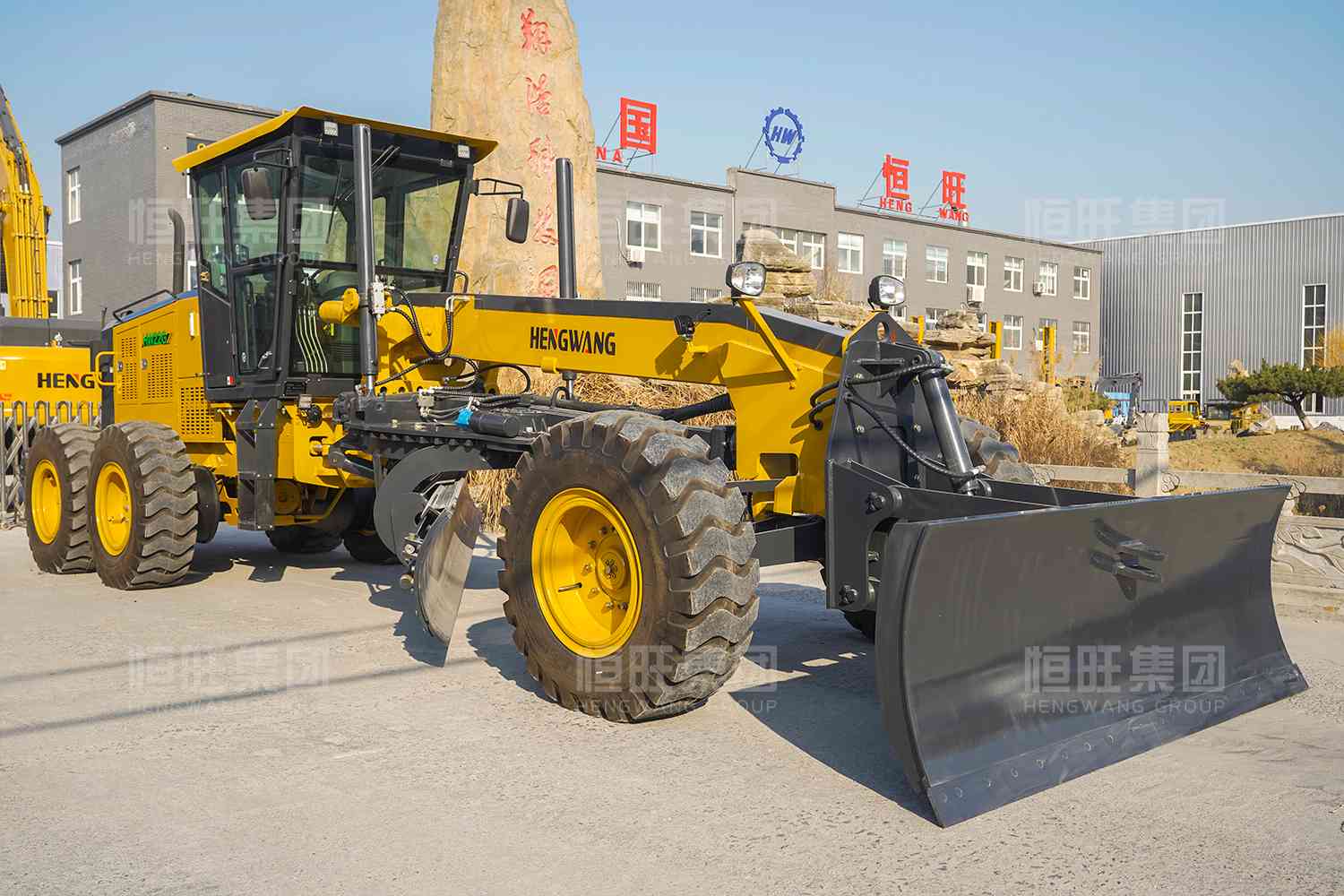
I. Unsafe Behaviors in the Startup and Preparation Stage
Incomplete Equipment Inspection
Failing to check key components such as tire pressure, braking system, and hydraulic oil level may lead to tire blowouts, brake failure, or hydraulic system malfunctions during driving.
Example: Not inspecting whether the hydraulic oil pipe of the scraper is aged, causing oil leakage due to pipe bursting during operation, which affects equipment control.
Neglecting Surrounding Environment Confirmation
Failing to observe whether there are personnel, obstacles, or power lines around the equipment before starting may cause collisions with pedestrians or facilities when moving off.
Example: Starting up at a construction site without noticing construction personnel behind, leading to a scraping accident.
II. Unsafe Behaviors During Driving
Speeding or Illegal Driving
Driving at high speed on uneven roads may cause equipment bumping and loss of control; coasting in neutral when going downhill may lead to loss of braking ability.
Case: A grader at a construction site coasted in neutral downhill, causing brake overheating and failure, leading to the equipment crashing into a slope.
Ignoring Visibility Blind Spots
Failing to observe blind spots (such as the right side of the vehicle body and near the rear wheels) through rearview mirrors and reversing cameras may result in scraping personnel or vehicles when turning or reversing.
III. Unsafe Behaviors in Operation
Illegal Manipulation of Working Devices
Making sharp turns without fully raising the scraper may cause the scraper to hit the ground or obstacles, damaging the equipment structure.
Overloading the scraper (e.g., forcefully pushing hard rocks) may cause hydraulic system overload or cutter head fracture.
Failing to Maintain Equipment Stability
Operating on a slope without adjusting the vehicle body level may cause the equipment to tip over; frequently changing the driving direction during operation may lead to center of gravity shift.
Example: When operating on a slope exceeding 20°, failing to first level the site with the scraper, causing the equipment to tilt toward the lower side.
IV. Unsafe Behaviors in Personnel and Equipment Management
Unauthorized Operation by Non-Operators
Allowing untrained personnel to operate the equipment may cause misoperations due to unfamiliarity with control procedures (e.g., accidentally touching the emergency brake button, causing sudden shutdown).
Personnel Approaching Hazardous Areas During Operation
Allowing personnel to stand near the scraper, ripper, or behind the equipment may result in injuries from equipment movement or unexpected component actions during operation.
Improper Use of Safety Devices
Removing or disabling safety limit devices (such as the scraper height limiter) may cause loss of control of working devices.
V. Unsafe Behaviors in Maintenance and Shutdown Stages
Performing Maintenance Without Powering Off or Stopping the Equipment
Repairing components (such as disassembling hydraulic oil pipes) when the equipment is not shut down or the hydraulic system is not depressurized may cause injuries from unexpected component movements or hydraulic oil spraying.
Improper Parking Location
Parking the equipment on slopes, soft ground, or under high-voltage power lines may lead to risks of equipment sliding, overturning, or electric shock.
VI. Behaviors Resulting from Lack of Safety Awareness
Operating While Fatigued or Under the Influence of Alcohol
When operators are in poor mental condition, their reaction speed decreases, making them prone to misjudging road conditions or making operational errors.
Ignoring Safety Warnings
Disregarding equipment alarm devices (such as low oil pressure alarms) and continuing operation may lead to mechanical failures or accidents.
Summary: Core Principles of Safe Operation
Strictly follow operating procedures, participate in regular training, and keep the equipment in good condition.
Stay focused during operation, observe the environment in real time, and eliminate "three violations" (illegal command, illegal operation, and violation of labor discipline).
Stop operation immediately to investigate hidden dangers upon discovery, ensuring the safety of personnel and equipment.
By avoiding the above unsafe behaviors, the operational risks of graders can be effectively reduced, ensuring construction safety.